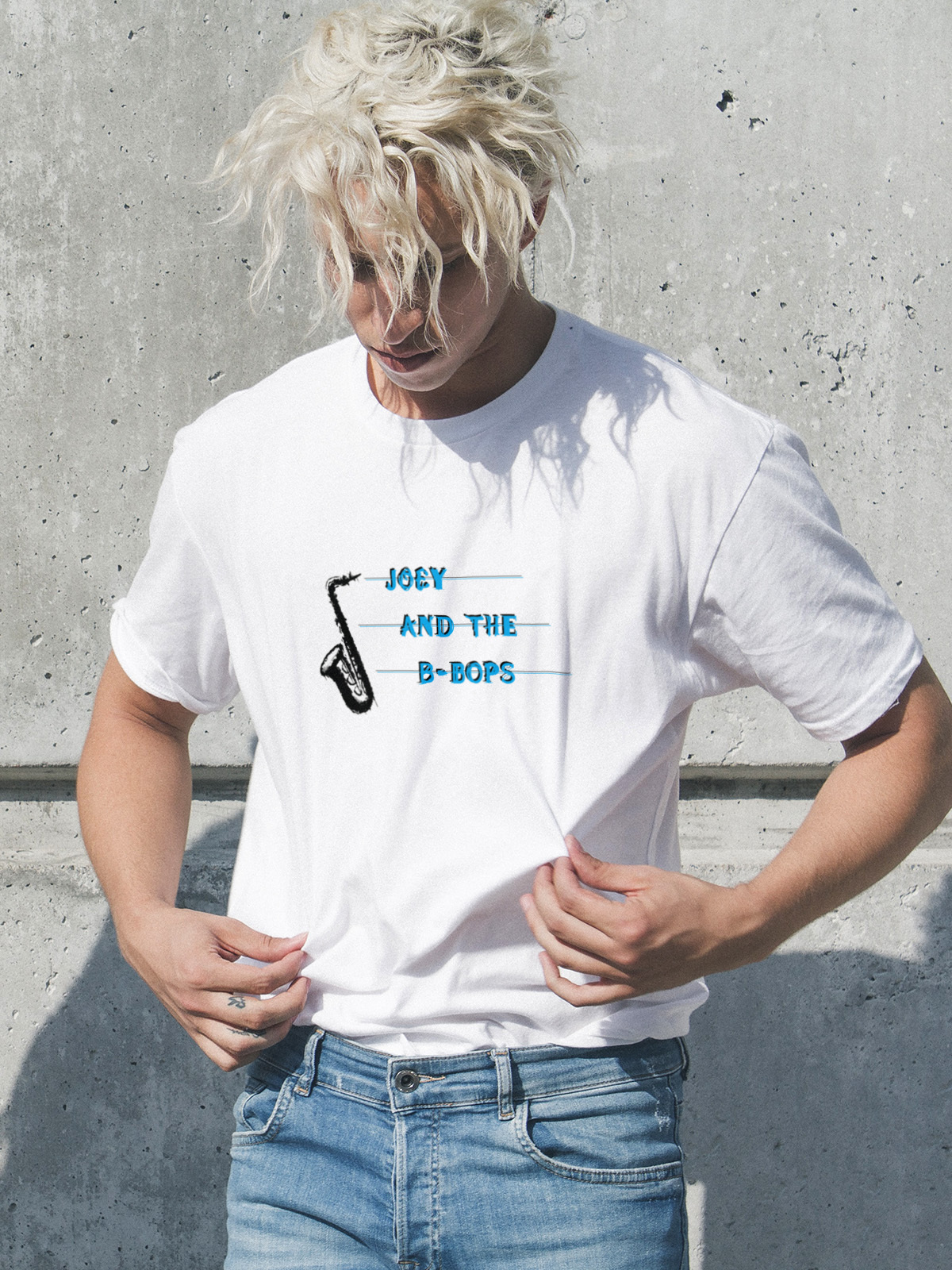
MLT-Sampler Font
– Applying the principle of sampling to type design
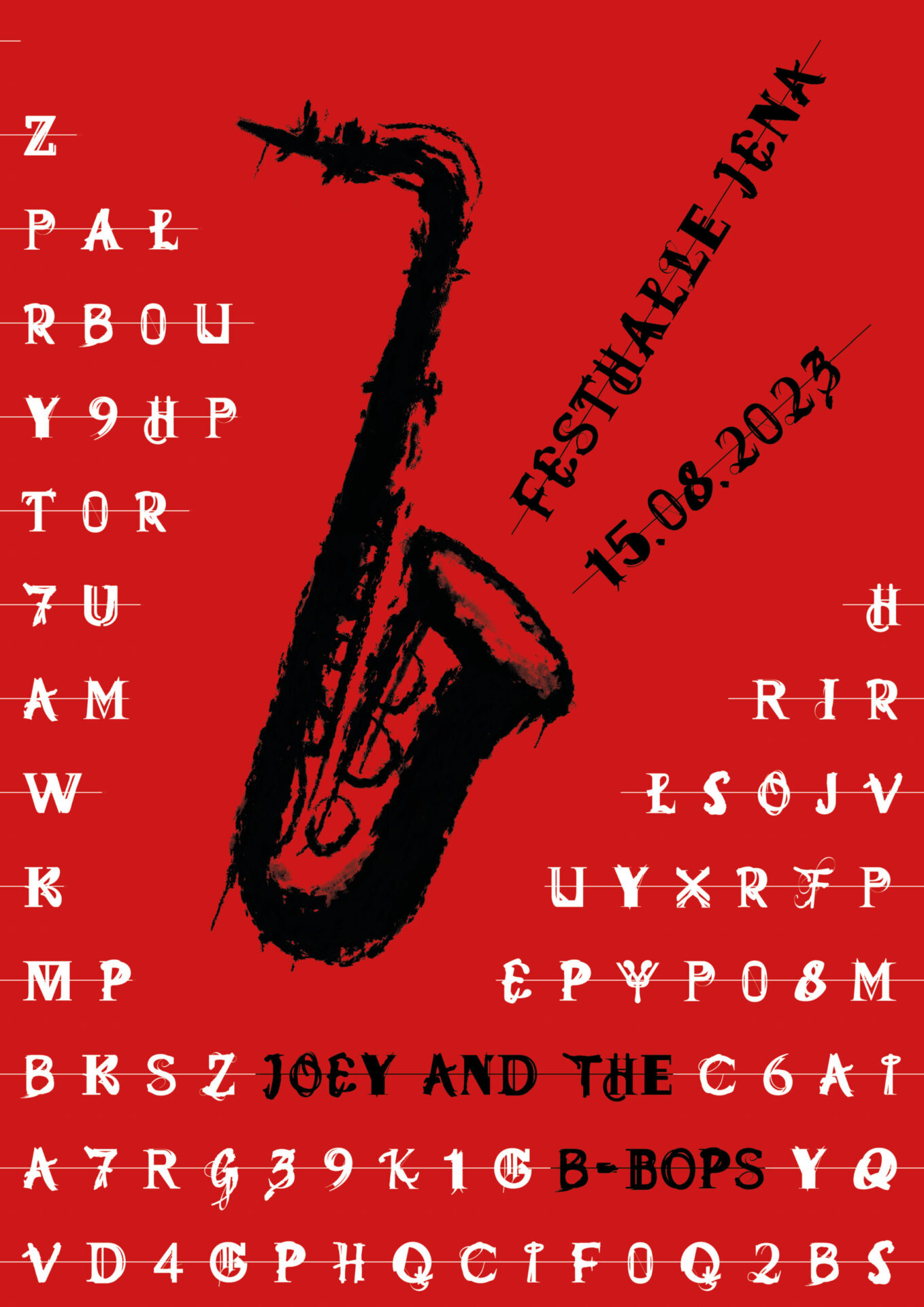
For my bachelor’s thesis, I explored the themes of type design and music. In doing so, I investigated recurring genre-specific design elements and ways in which musical principles could be applied to type design. The stated aim of the project was to design a new font for a fictional jazz-rap band in order to establish a visual brand.
Following extensive research into the background of jazz and rap music and the conduct of an online survey on the associations between different typefaces and specific musical styles, no sufficient degree of recurring genre-specific elements could be identified within type designs.
I therefore decided to extend my research to other genres and artistic movements, looking for general musical principles that could be applied to visual design. This led to the idea of applying the concept of sampling to typography.
Sampling has always been an integral part of hip-hop culture, but this approach can also be applied to jazz music, which thrives on improvisation and the combination of many different, sometimes contradictory elements.
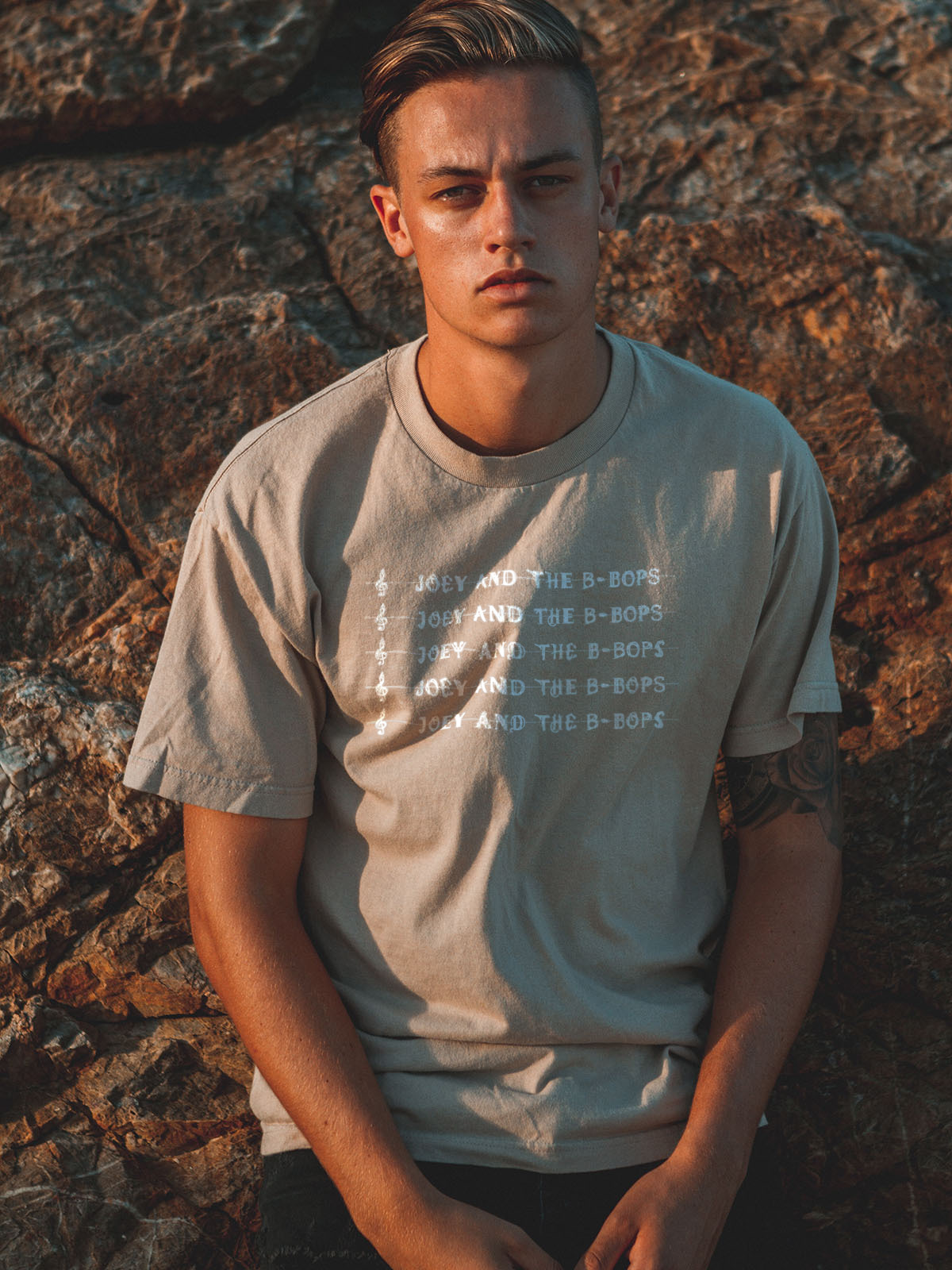
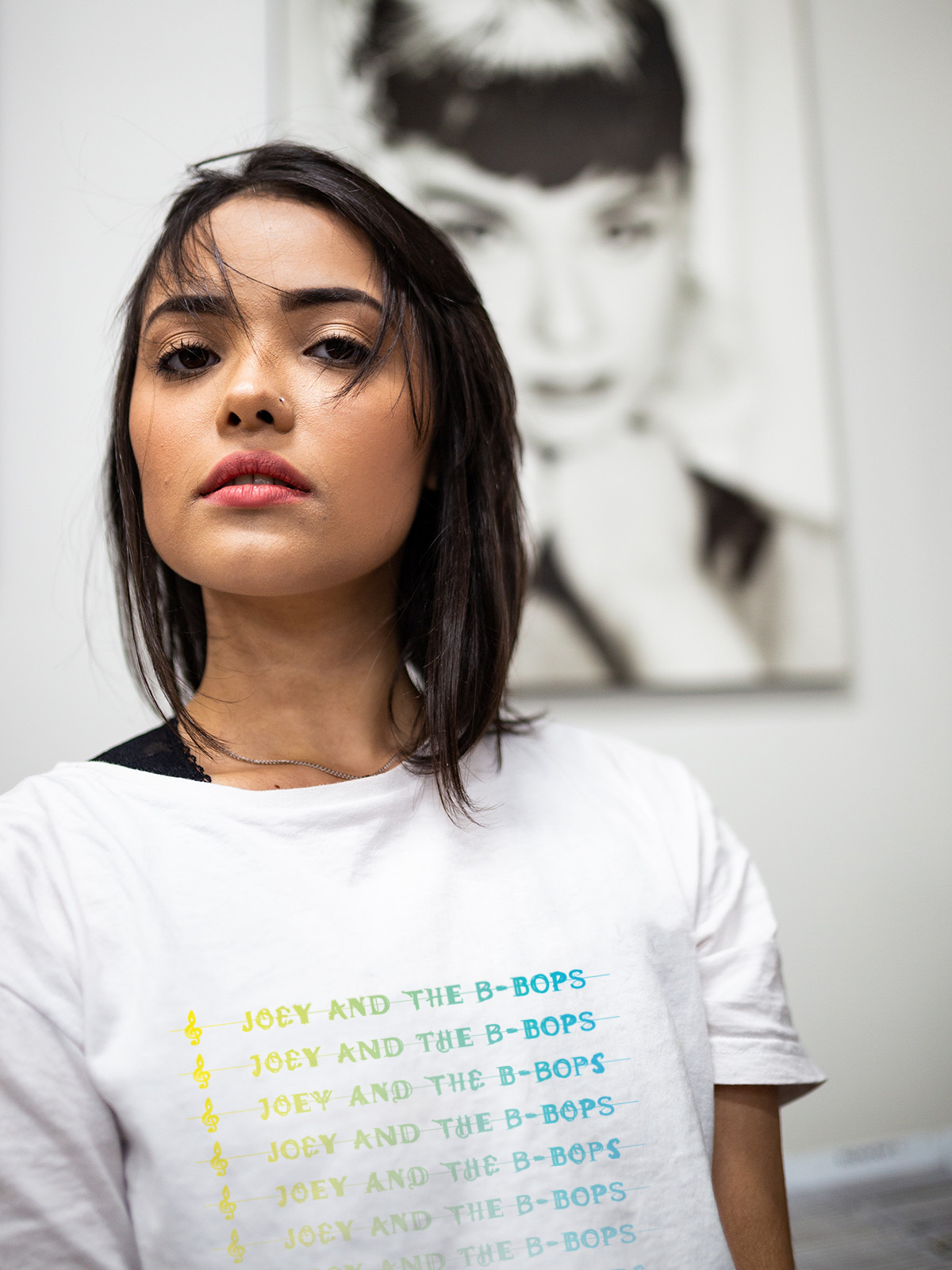
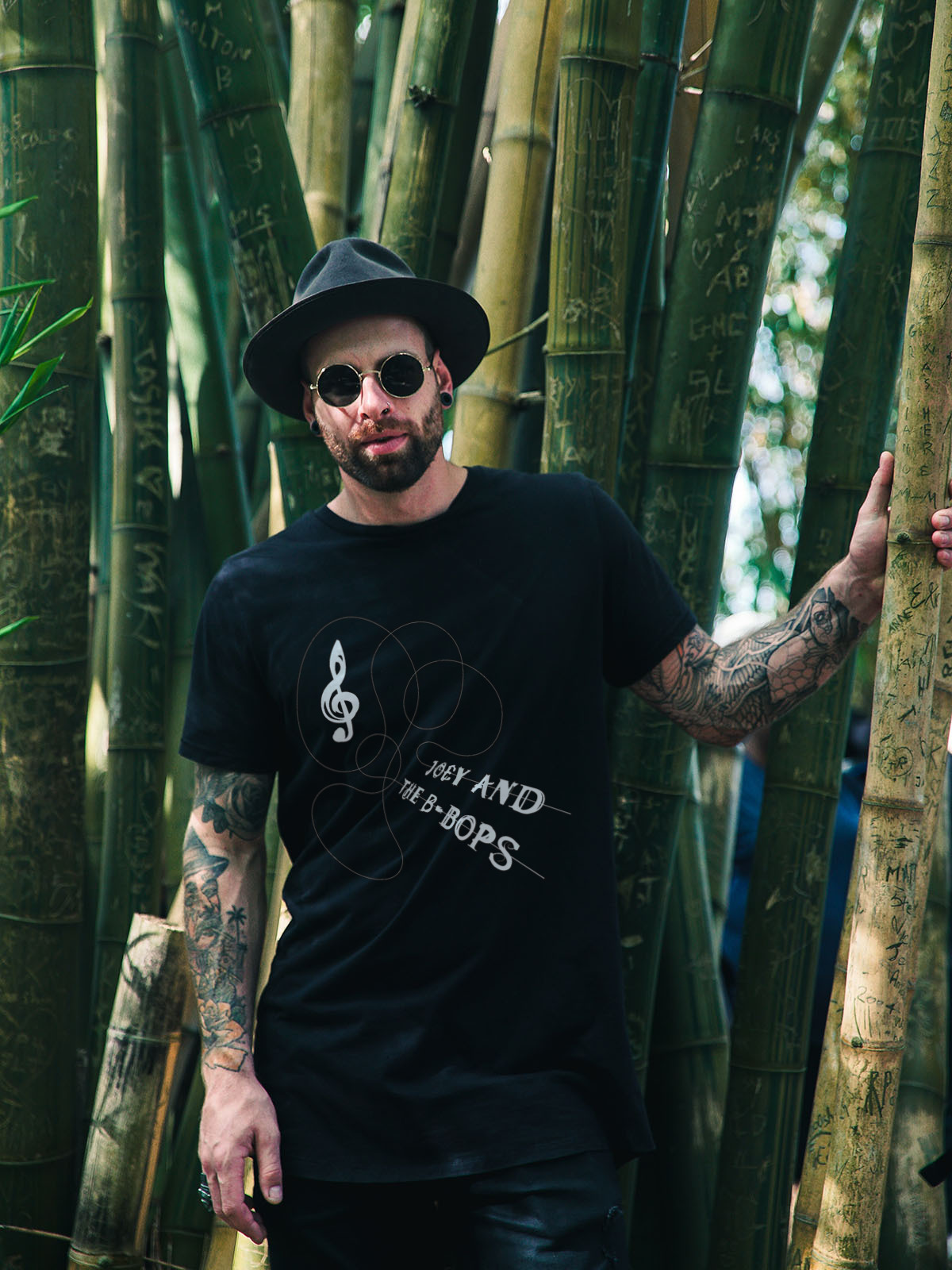
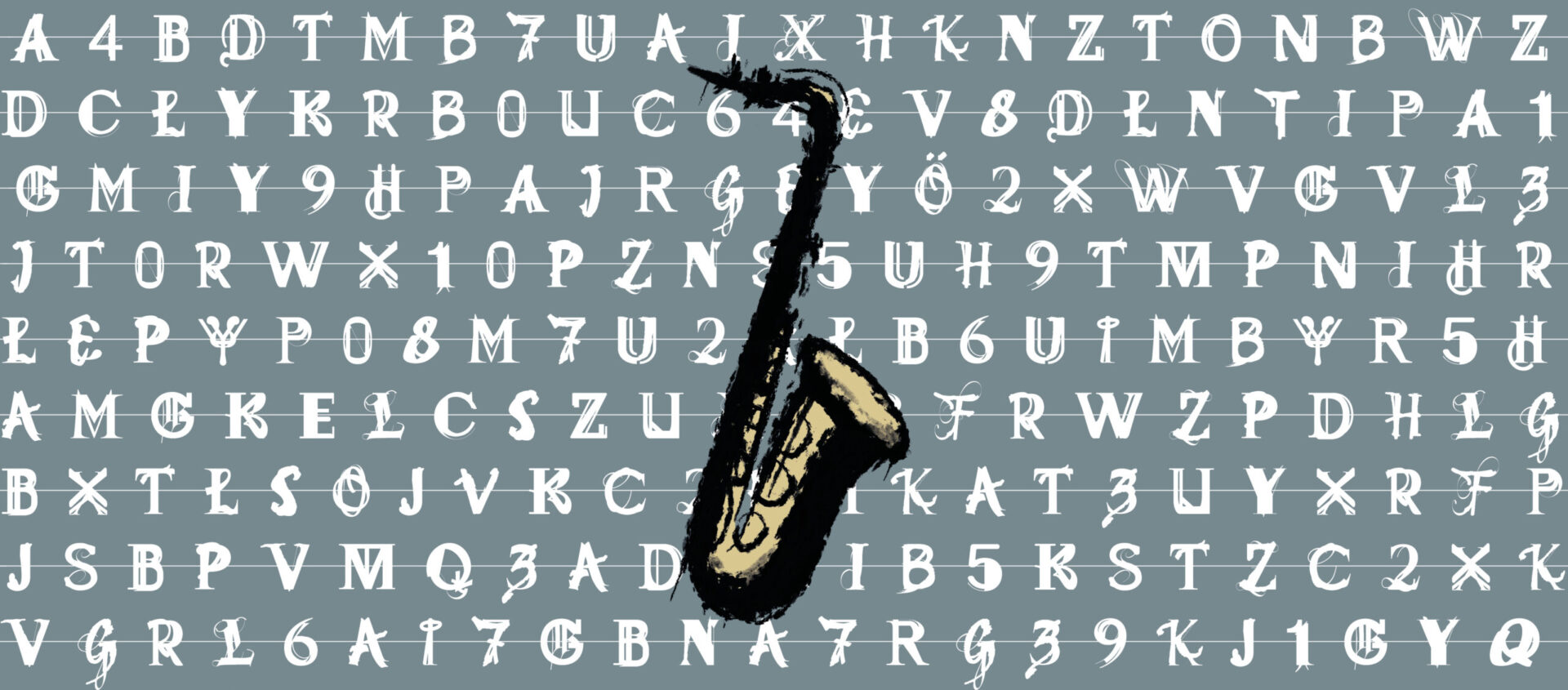
By ‘sampling’ and layering individual glyphs from a wide variety of different fonts, I was able to create a new, distinctive aesthetic, which I called Multi-Layer-Type (MLT).
The design was influenced, among other things, by the aesthetics of Dadaist collages and by the style-defining work of the British artist Jamie Reid for the punk band Sex Pistols. To create a consistent typographic style and visualise the sequential nature of sample music, a single thin (musical) line has been drawn through all the glyphs in the font. This allows the typography to be viewed as a visual rhythmic sequence which, whilst technical in nature, also appears lively and dynamic thanks to the variety of overlapping glyphs.
Once the MLT font was complete, I looked for ways to further explore the basic concept of ‘font sampling’ and to offer users greater control and customisation options for this style of type design.
In doing so, I drew inspiration from real analogue and digital audio samplers. These offer a wide range of options and parameters for modulating, manipulating, assembling and structuring audio material.
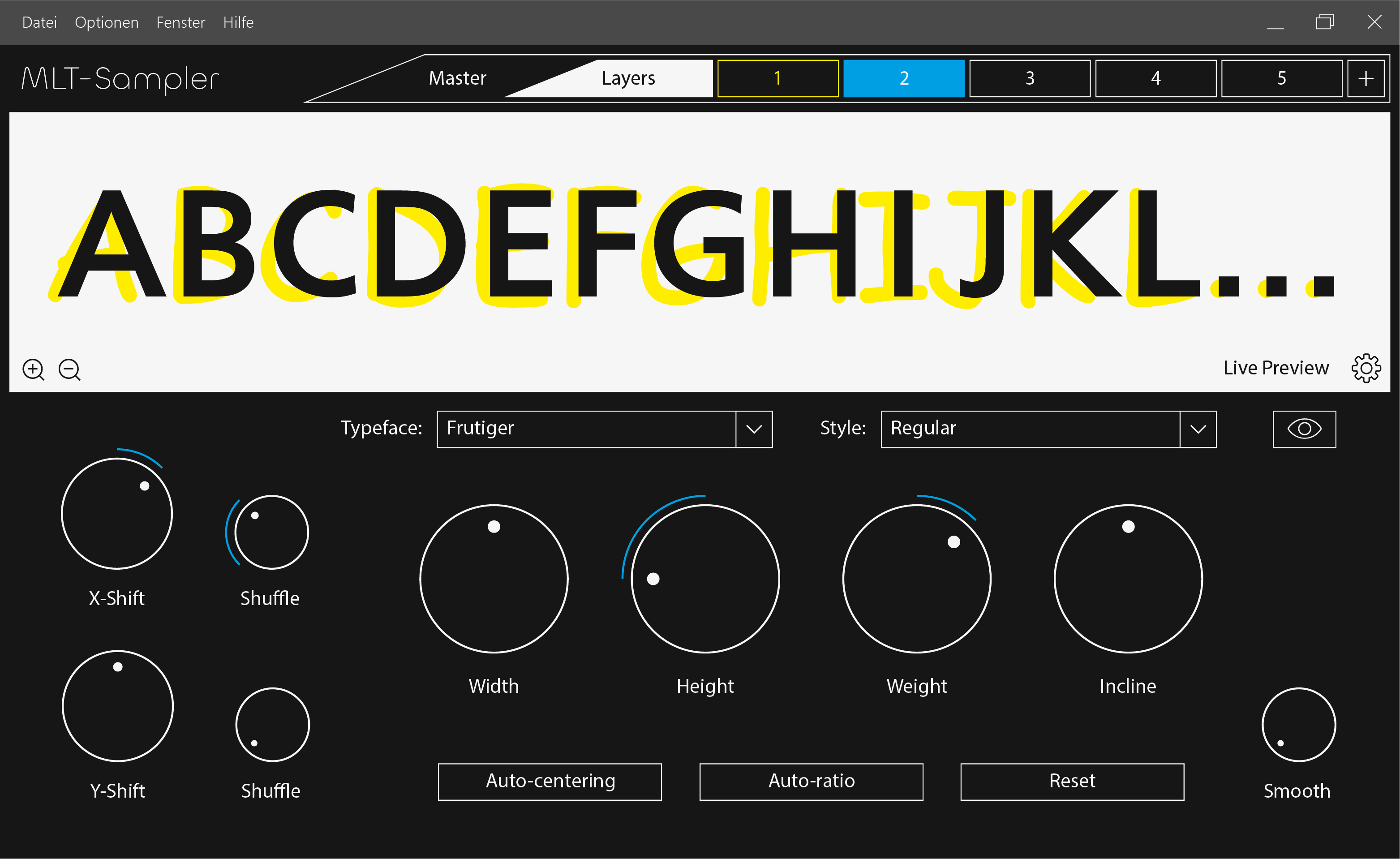
Inspired by this, I developed an interface for a digital font sampler (depiction above).
Font files could be imported into such software and be layered and manipulated across multiple levels according to specific parameters, much like audio samples. The font layers are distinguished by different colours in the interface and can be edited individually or collectively via the master channel.